At least that seems to be the takeaway from the new insights released by the Hartman Group, in its “Health + Wellness 2019: From Moderation to Mindfulness” report.
“Despite retailers’ efforts, many consumers — particularly Millennials — still see health and wellness products as cost-prohibitive. Being perceived as ‘too expensive’ is the primary concern for consumers purchasing health and wellness products,” The Hartman Group explains. “Trusted private label health and wellness products are a growing solution to this barrier, as is online shopping. Amazon has emerged as a contender in meeting health and wellness shopper needs, performing extremely well on value, selection, and discovery.”
Yes, candy companies have long been pigeonholed into the indulgent category, but as with all things, there’s money to be made by evolving. Look no further than this week’s Hershey acquisition of ONE Brands, which makes a line of low-sugar, high-protein nutrition bars, as proof that the focus of the confectionery industry has expanded — the same candy company known for its chocolate Kisses just bought a protein bar company.
But even if you have the right products, you still have to find the right consumers for them. And they aren’t necessarily going to be the same ones who usually grab a candy bar at the checkout. In fact, they may not even be the same consumers who shop at the grocery store.
“The grocery channel has lost share to a myriad of other channels and is no longer the top go-to channel for health and wellness food shopping,” the Hartman Group says.
Specifically, Supercenter/ Mass Merch lead the list, with 92 percent of shoppers regularly shopping for health and wellness products there. That is followed by 82 percent for grocery, but after that it’s 80 percent for drug stores and 77 percent for online merchants.
And, among retailers, drugstores, Walmart, and Costco are best at converting their regular shoppers to health and wellness shoppers. However, Amazon often performs better than these and most other retailers for health and wellness shopping, including selection, value, and discovery.
The confectionery company has taken longer to gain a following of online shoppers than many other industries, but perhaps the way to sell more products online is to sell different ones. It turns outs, it may be a matter of selling protein bars instead of candy bars. And if that’s the case, we’ll all look back and see how genius it was for Hershey to acquire ONE Brands.
]]>Each year Candy Industry compiles a list of the Top 100 candy companies in the world. Below, you’ll not only find out where candy company ranks, but also their estimated net sales, how many employees they have and which products they make.
Some like it sweet and some like it salty. One could surmise that’s why Grupo Bimbo is no longer going to be represented by Barcel S.A. in the “Global Top 100 Confectioneries.”
View the 2020
Global Top 100 List
2019 | 2018 | 2017 | 2016
2015 | 2014 | 2013 | 2012
The snacking arm of the Mexico City baking company has decided to separate the sweet and salty products of Barcel, promoting confectionery to its own division, according to Rosana Loureiro. Barcel Mexico is now exclusively salty snacks, she said, while Productus Ricolino is the new division for confectionery with a new president.
“The new division was created to give more focus on confectionery,” said the senior brand manager. Fernando Lerdo de Tejada Servitje is Ricolino’s new president, overseeing the division’s four plants and 4,300 employees. Just the confectionery division of Grupo Bimbo is expected to do about $335 million in annual sales.
Acquisitions weren’t really a big thing in 2019, as in years past, yet Candy Industry notes over a dozen confectioneries in the Global Top 100 did make changes to their leadership and two companies emerged onto the exclusive list this year.
New is Millennium Chocolate Factory, of Malbi Foods, LLC. The chocolate manufacturer from Dnepr, Ukraine, estimates sales of consumer confections to be around $217 million. They also have an industrial chocolate division. Although the company has been around since 1999, they first contacted our magazine right after last year’s publication. As always, our story is a work in progress.
Another company which debuted is The Kar Nut Products Co., of Madison Heights, Mich. Projecting between $175 to $200 million in sales for 2019, KNPC produces nuts and trail mix snacks, some using chocolate, caramel or yogurt, selling under the Kar’s Nuts and Second Nature brands. They purchased Morley Candy Makers/Sanders Candy in the autumn of 2018, which put them on the radar for June’s “North American Sweet 60.”
The two main acquisitions over the past year were by The Hershey Co. and 1-800-FLOWERS.COM. Over the summer, the online florist and gift-basket giant acquired Shari’s Berries for $20.5 million, which is expected to increase its confectionery sales for 2019 to $625 million. Shari’s Berries is known for its chocolate-covered strawberries.
In November, Hershey was expecting sales for 2019 to climb 2.5 percent in part to its acquisition over the summer of One Brands for $397 million. One Brands produces high protein nutrition bars.
There was construction as well. Georgia Nut Co., of Skokie, Ill., opened a third plant and hired more people for a new line making a breaded peanut product, some being panned with chocolate. And, Roshen Confectionery Corp., of Ukraine, built a new biscuit factory in Boryspil, in the Kiev region, in 2018, launching two production lines this past year with intentions of putting the factory into service this year (2020). It will have capacity to produce 20,000 tons.
As one company builds, another decides what’s best for growth is to reduce. Bazooka Candy Brands, a division of The Topps Co. Inc., of New York City, restructured its business model in South America from a direct model to a distributor/licensing arrangement, according to Tony Jacobs, president of Bazooka. In that changed model, the company now has one plant.
As stated earlier, there were many changes in leadership over the last year. For starters in February, London-based pladis hired A. Salman Amin as its new global CEO, succeeding Cem Karakas who stepped down due to family health issues. Amin was most recently chief operating officer of SC Johnson & Son. He has worked with many global companies including serving as chief marketing officer for PepsiCo.
Brad Kinstler, of San Francisco-based See’s Candies, retired in April, with Pat Egan taking over as president and CEO. Egan, who is only the third CEO at See’s since Berkshire Hathaway bought them, previously served as senior vice president of NV Energy, another Berkshire Hathaway company, and started transitioning into the position at the end of 2018.
In May, Swiss-based Ricola hired Thomas Meier to run the business as CEO, while Felix Richterich will continue as chairman. Meier was the CEO of Franke Coffee Systems.
Michele Buck, president and CEO of The Hershey Co., was selected in October to also chair the board of directors. She succeeds Chuck Davis who will reassume his role as lead independent director which he held from May 2017 until appointment of his chairmanship in May 2018.
Hans-Ruedi Christen, who was CEO of Switzerland’s Chocolat Frey, has now become CEO of a different subsection of Migros Industry, which owns the chocolate manufacturer. Dr. Raphael Gugerli is the new CEO of the candy company.
Rick Drehobl is now CEO of Georgia Nut Co. while his brother Dave pursues other things.
Hearthside Food Solutions, maker of many foods including chocolate and cereal bars, has a new CEO, Chuck Metzger. He joined Hearthside in 2018 with the Greencore USA acquisition and previously worked for Coca-Cola and Kraft. Founder Richard Scalise will continue to serve as the company’s chairman.
Sunrise Confections, a division of Mount Franklin Foods, of El Paso, Texas, has a new CEO now—Enrique Grajeda. Gary Ricco retired earlier in the year.
Eijiro Oota took over as representative director for Japanese confectioner Morinaga & Co. Ltd. after Toru Arai retired in July.
Kirill Butko replaced Nikolay Vasyukov as CEO of Moscow’s United Confectionary Manufacturers.
Valeriano Lopez Lloret is the new chief officer at Valor Chocolates in Spain. Former CEO Pedro Lopez Lopez will serve as executive president.
Although Roberto Garcia Navarro is still president of the board at Canel’s SA de CV, of San Luis Potosi, Mexico, his son Robert Garcia Corripio has taken over as CEO.
Jaan Ivar Semlitsch replaced Peter Ruzicka as the new president and CEO of Orkla ASA, with Jeanette Havan Fladby, executive vice president & CEO of confectionery and snacks.
Dr. Walter Mueller, of Wawi-Schokolade, of Germany, retired last year and handed the reigns over to his son, Richard Mueller.
Candy Industry also decided for this year’s publication to exclude companies that produce pharmaceutical gummies now that CBD gummies have come onto the scene, and to only include gummies that are truly a confectionery and not used solely to enhance health.
This article was originally first published at candyindustry.com
]]>“The best chocolate to consume is dark chocolate for its health benefits,” Dr. Krystal L. Culler, DBH, MA, the director and founder of Your Brain Health Matters, LLC and an Atlantic Senior Fellow with the Global Brain Health Institute, tells Bustle. Unlike milk chocolate and other candies, the cocoa in dark chocolate can lower inflammation levels in the body, and help reduce your risk of certain diseases.
In order to get these benefits, experts recommend looking for certain ingredients in your chocolate. “I tell my clients to look for one that is 85% or higher cocoa, organic, and unsweetened, or sweetened with stevia or pure monk fruit,” Tess Bredesen, a cognitive health nutritionist and founder of Sia Brain Health, tells Bustle.
With that in mind, read on for ways chocolate impacts the brain, according to experts.
1. Chocolate May Improve Brain Function
While there’s a long list of foods that are linked to improving brain health, chocolate may offer specific benefits. “Eating chocolate can be protective for your brain and enhance your brain’s plasticity, the lifelong ability to change and adapt,” Culler says. Chocolate has also been shown to be “neuroprotective,” so it may help preserve the integrity of the brain as well.
But again, since this isn’t true for all chocolate-based candies, or milk chocolate, Culler recommends consuming dark chocolate.
2. It Helps Release Endorphins In The Brain
Ever find yourself reaching for chocolate on particularly tough days? That’s because experts say it could have a way of improving your mood, at least temporarily.
“Chocolate boosts the production of endorphins, better known as the ‘feel-good’ chemical of your brain,” Culler says. After eating it, you may experience a more positive outlook, and possibly even a sense of “euphoria,” all thanks to the way it impacts your hormones.
Dr. Shaheen Lakhan, neurologist and head of R&D at The Learning Corp, points to research where people given chocolate reported improvements in self-rated calmness, contentedness, and cognitive performance, while also mitigating “mental fatigue.”
3. Chocolate Wakes You Up
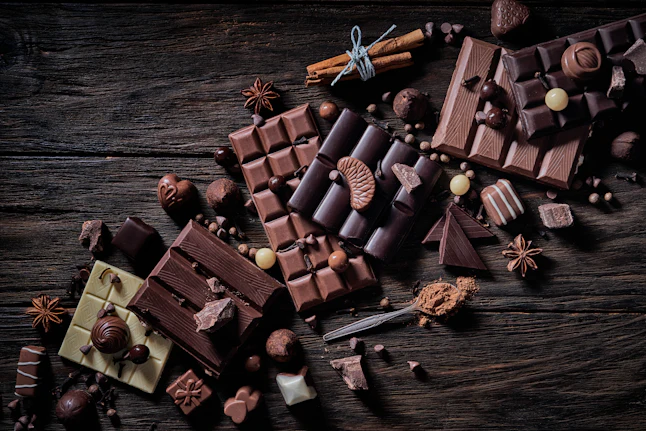
Chocolate, just like a cup of coffee, contains caffeine, and that can give a boost to your central nervous system, Culler says. A bar of dark chocolate contains 70 mg of caffeine and a bar of milk chocolate contains 9 mg of caffeine, according to the U.S. Department of Agriculture, which can really do the trick whenever you’re feeling a dip in energy.
But the hit of caffeine isn’t the only reason why chocolate can help you stay alert. “Dark chocolate can improve blood flow to the brain, which can improve attention span, memory, reaction time, and problem-solving skills,” Culler says.
4. It Plays A Role In Healthy Aging
It’s important to do good things for your brain as you get older, as way of preventing age-related health issues like dementia. And due to the way it impacts the brain, researchers have been looking into the benefits chocolate may have to offer.
“Chocolate is very appealing in those prone to cognitive decline like individuals with or at risk of Alzheimer’s disease because the flavonols — antioxidants found in certain plants — in cocoa stimulate new brain cell growth and prevent existing brain cell death,” Lakhan says.
Some studies have also associated chocolate intake with a decreased risk of stroke, Lakhan says, since it stimulates blood flow to the brain.
5. Chocolate Can Apparently Put You In The Mood
Besides oysters, watermelon, and (surprisingly) asparagus, chocolate is often considered to be one of the foods that may increase libido.
“There are several chemicals contained in chocolate that are thought to positively impact our friskiness,” Dr. Anna Cabeca, a triple board-certified physician, tells Bustle. L-arginine is one, along with zinc, which is another supposed libido booster as it enhances adrenal function, which may support sex drive.
6. It May Enhance Your Overall Well-Being
Chocolate contains quite a few mood-boosting ingredients, including tryptophan, which stimulates the mood-boosting hormone serotonin, and a compound called anandamide, which can provide a sense of well-being as it binds to the dopamine receptors in the brain, Cabeca says.
Studies are currently being done to assess the role these compounds might play in mental wellness. “The word is still out on whether chocolate can help manage depression or anxiety,” Lakhan says. “The studies are mixed on the effect, and perhaps how much intake one has (dose) is a factor. It may be that low levels of chocolate intake in the short-term may improve anxiety, but higher levels are stimulating and anxiety-provoking. In the long-term, it may help with some of the symptoms of depression.”
7. It May Help Reduce Stress
While there are plenty of foods that contain magnesium, like peas, bananas, and leafy greens, chocolate is another way to get this important nutrient.
“Chocolate is […] a good source of magnesium, which may help reduce stress by suppressing the release of the stress hormone cortisol,” Melissa Nieves, LND, RD, MPH, a registered dietitian, tells Bustle. But as with anything, it should be a part of other stress-beating tricks.
While chocolate isn’t a cure-all, it can impact the brain in lots of interesting ways, including temporarily boosting your mood, and relieving stress. Now go treat yourself to some.
This article was originally first published at bustle.com
]]>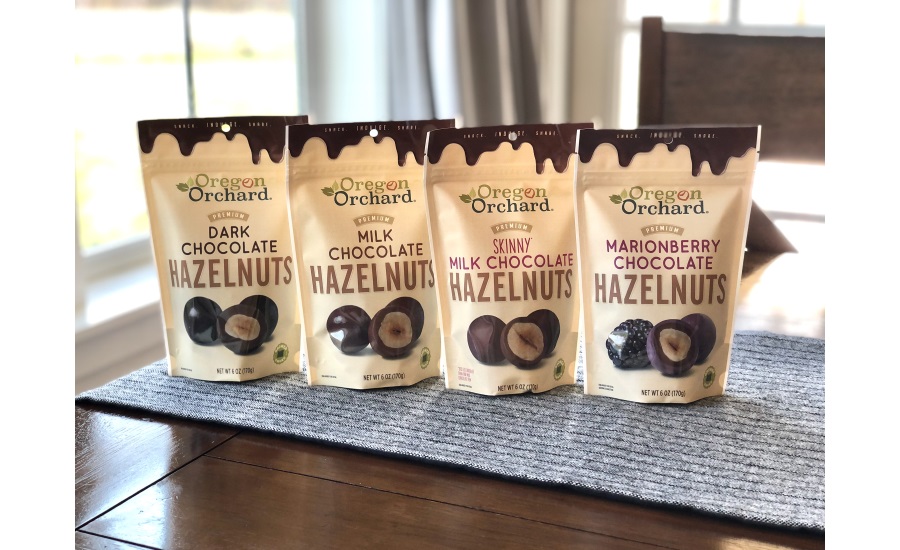
Continued growth in the flexible packaging industry, including pouch packaging, is being fueled by two developments: increasing consumer demands for convenient packages, and an industry push for sustainable shelf-ready product designs, according to the Flexible Packaging Assessment Report from PMMI, The Association for Packaging and Processing Technologies.
Changing lifestyles, along with increased consumer travel, has created a need for convenient packaging solutions. Pillow pouch demand is rising due to versatility in being able to package liquids, solids and powders. Stand-up pouches will also see growth due to the increasing demand in the candy industry.
Confectionery companies investing in new pouch packaging technology are looking for machines that address their four primary needs:
- Flexibility
- Speed
- Sustainability
- Automation
The flexibility to handle a variety of sizes and styles is key, along with the ability to accommodate faster changeovers. In fact, 42 percent of manufacturers interviewed for the PMMI report are changing from mass production to mass customization or small batch production. This production style requires machines and systems capable of quick changeovers to reduce the downtime required to prepare machines for the next product or packaging to run on the same line.
As package sizes are shrinking, candy makers are looking at speed of operation to keep volume high. Many companies responding to the survey that provided data for the report stated that current flexible packaging machines are not fast enough even at speeds of 180 pouches per minute. They are looking for rates close to 300-400 pouches per minute.
Producing less waste and consuming less energy are considerations when sourcing machines for pouch packaging. Energy consumption accounts for 12 percent of total production cost, so confectionery manufacturers seek improvements in production processes that reduce emissions and lower energy consumption. In today’s sustainability-conscious environment, pouch packaging is a smart choice for manufacturers looking to reduce their carbon footprint. Pouch packaging is compact compared to rigid packaging allowing the transport of a larger quantity of products in a single truck.
And lastly, companies foresee an increased use of automation, especially in areas where labor can be expensive and difficult to source. Manufacturers are investing in automated bagging machines (ABS) that open, fill, weigh and seal stand up pouches. An ABS machine can typically package up to 15 bags per minute of dry flowable product. The made-to-order, customizable ABS usually provides full ROI within one year, according to respondents to the PMMI survey. Robotic case packaging and palletizing also continue to grow as manufacturers claim it is the most efficient way to meet end-of-line demands for a variety of SKUs, shapes and sizes
This article was originally first published at candyindustry.com
]]>If you’ve ever considered losing weight, cutting down the calories, or just eating a little healthier, you’ve probably reached for the low-fat version of your favourite food. However, you might want to rethink that choice.
A report published earlier this year in the UK by the National Obesity Forum and the Public Health Collaboration reported that “Eating a diet rich in full-fat dairy, such as cheese, milk, and yoghurt – can actually lower the chance of obesity.”
Professor David Haslam, chairman of the National Obesity Forum, states in the response to the report: “The current guidelines suggesting high-carbohydrate, low-fat diets were the universal panacea, were deeply flawed. Current efforts have failed – the proof being that obesity levels are higher than they have ever been, and show no chance of reducing despite the best efforts of government and scientists.”
Here in Australia, Katherine Baqleh, dietitian at Health Victory Nutrition Experts, mostly agrees with these findings. “The rates of overweight and obesity have continued to rise despite the increase in low fat foods available,” she tells SBS.
“The current Australian Dietary Guidelines encourage a moderate intake of carbohydrates (preferably low GI) in combination with good quality proteins and plenty of colourful vegetables at every meal.”
However, Baqleh believes that individual nutrients such as fats and carbohydrates are not to blame, but the sort of foods we’re eating.
“In current times where convenience and speed are necessities in meal selection, portion sizes are increasing and the quality of the entire meal is deteriorating. Many convenience and pre-prepared meals are high in fat, high in refined or processed carbohydrates, and use poor-quality proteins such as deep-fried fish or fatty meats.”
Have we been fed a lie?
Since the 1980s, when the first set of Australian Dietary Guidelines were published, we were told to “avoid eating too much fat”. Around a decade later, the guidelines went even further, suggesting that we “eat a diet low in fat, and in particular, low in saturated fat”. You couldn’t move your shopping trolley down an aisle without tripping over a low-fat version of a product.
Yet, the latest statistics show that around 63 per cent of the adult Australian population is overweight or obese, and a worryingly one in four children fall into the same category. So despite our appetite for low-fat foods, we are still getting fatter.
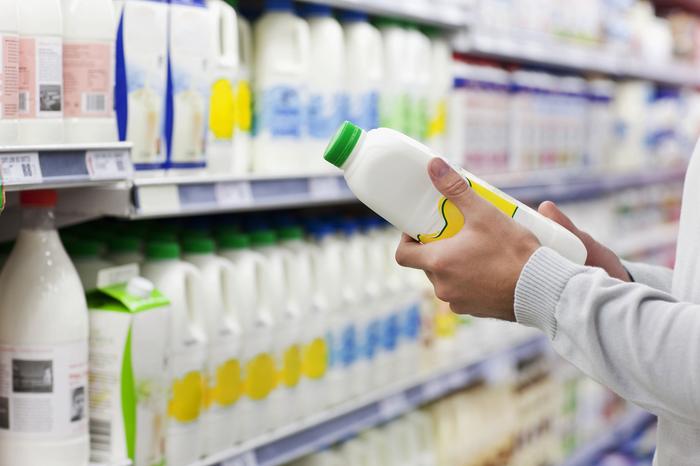
It seems that we’re missing the overall point about weight loss, and are lulling ourselves into a false sense of security by eating low-fat foods, sometimes without restraint.
“If a food label claims a product is low in fat, it must contain only three grams of fat or less per 100 grams of products,” Clare Collins, Professor in Nutrition and Dietetics at the University of Newcastle, tells SBS. “If it says reduced fat, it must contain at least 25 per cent less fat kilojoules.” Overall, it’s the final number that counts.
“Some foods that carry the ‘low fat’ claim are still high in sugar and salt – what is known as the ‘sugar-fat seesaw’,” explains Baqleh. “This is often the case for products such as fruit yoghurts, muesli bars and chocolate, but is not the case for skim and full fat milk. Also, many people see the ‘low fat’ claim as an opportunity to eat larger portions of the food, so the total number of calories consumed is essentially the same in the end.”
A healthier future
Should you avoid the low-fat aisle next time you go shopping? According to Baqleh, low fat foods are not always the best option, but it depends on the person’s needs.
“Some individuals have greater energy requirements than others, but in general, for someone on a calorie-restricted diet who is trying to lose weight, low fat options are suitable,” she says.
“For diseases such as cardiovascular disease, drinking any dairy products, be it full-fat or low-fat, will lower the risk of complications. [The Australian Health Foundation recommends low-fat if you have a history of heart disease].”
The jury is still out on whether low-fat or full-fat dairy is better, in the light of recent studies, although the Australian Dietary Guidelines still recommend low-fat dairy. But when it comes to other food choices?
“It is important to consider what the fat has been replaced with when choosing the products,” Baqleh says.
Fats to enjoy
Both Baqleh and Collins are keen to point out that not all fats are bad for you and not all fats make you fat. “Healthy fats found in foods such as olive oil, nuts and seeds, oily fish and avocado will help to accelerate weight loss,” said Baqleh.
Before you reach for a low-fat packaged food, consider Nature’s alternative instead. “If you’re putting low-fat foods into your shopping trolley, it’s wise to stick to the ones that would have been around in your grandparent’s day,” said Collins.
“This means eating more vegetables, fruits and low-fat dairy products, plus whole grains, fish or vegetarian sources of protein such as baked beans. It means avoiding packaged and highly-processed low-fat foods.”
]]>
© Getty Images/ PeopleImages Researchers are studying the effects of a chemical reaction that occurs when certain foods are cooked at very high temperatures.
It’s important to note that the high levels of acrylamide used in research studies were much greater than those found in human food. While the U.S. Food and Drug Administration (FDA) does not identify a specific maximum recommended level for acrylamide, it has been actively investigating the effects of it. It also offers guidance on a range of ways to reduce acrylamide levels. No one is suggesting a ban on toast or potatoes. Starches and grains are part of a regular diet. Given the widespread presence of acrylamide in foods, it isn’t feasible or necessary to completely eliminate it from one’s diet, says FDA chemist Lauren Robin. What’s more, the FDA notes that removing any one or two foods from your diet would not have a significant effect on overall exposure to acrylamide. It also does not recommend reducing intake of healthful whole grain foods.
How to Eat Less Acrylamide
According to the FDA, there are some steps you can take to help decrease the amount of acrylamide you eat. (On March 1, 2016, the FDA also posted a final document with practical strategies to help growers, manufacturers, and food service operators lower the amount of acrylamide in foods associated with higher levels of the chemical.) For one, acrylamide is not typically associated with meat, dairy, seafood products, or raw plant-based foods. Boiling and steaming foods do not typically form acrylamide.
For foods where acrylamide is likely to form, the FDA has clear recommendations: When it comes to enjoy toast with breakfast, they say bread should be toasted to a light brown color rather than a dark brown color. Avoid very brown areas. They suggest against storing potatoes in the refrigerator, which can increase acrylamide during cooking. Keep potatoes in a dark, cool place, such as a pantry. Cook cut potato products such as frozen French fries to a golden yellow color rather than a brown color. Brown areas tend to contain more acrylamide.
Fry Less and Eat a Healthier Diet
Regarding cooking methods, frying causes acrylamide formation. If frying frozen fries, follow manufacturers’ recommendations on time and temperature and avoid overcooking, heavy crisping, or burning. Cutting down on certain fried foods has the added benefit of helping to maintain a healthy diet in general, while also helping to cut down on the amount of acrylamide you eat. The FDA’s best advice for consumers to help limit acrylamide intake is to adopt a healthy eating plan, consistent with the Dietary Guidelines for Americans, that emphasizes fruits, vegetables, whole grains, fat-free or low-fat milk and milk products, lean meats, poultry, fish, beans, eggs, nuts, and limited amounts of saturated fats, trans fats, cholesterol, salt, and added sugars.
This article was originally first published on msn.com
]]>
Senator Cory Booker is a vegan. Senator Kamala Harris craves French fries. And then there’s Senator Ted Cruz, who once feasted on “machine gun bacon.”
But for at least the rest of January, the 100 members of the United States Senate will have to stick to the impeachment trial diet while they are in the Senate chamber hearing arguments for and against removing President Trump from office.
It consists of milk, water and candy, the only food allowed onto the Senate floor under the chamber’s staid rules, which don’t allow senators to drink coffee, either.
There’s one place to get a sugar fix: It’s known as the “candy desk,” which has been assigned to Senator Patrick J. Toomey, Republican of Pennsylvania, since 2015. It’s on the Republican side of the chamber, in the back row on the aisle — right next to the chamber’s most heavily used entrance.
“The candy desk is bipartisan,” Steve Kelly, a spokesman for Mr. Toomey, said in an interview Tuesday night. “It’s open to Republicans, Democrats and independents.”
As the keeper of the candy, Mr. Toomey keeps it stocked with confections from his home state, including Hershey’s chocolate bars, Rolos, 3 Musketeers, Milky Way bars, peanut butter cups made by Reading, Pa.-based R.M. Palmer Co. and Peanut Chews, a staple of the Goldenberg Candy Company, which is now part of Just Born Inc.
“The companies provide them to the office,” Mr. Kelly said. “We take down candy periodically to the staff of the Senate cloakroom.”

The tradition of the candy desk started in 1965 with Senator George Murphy, a California Republican who was president of the Screen Actors Guild and had a sweet tooth, according to his Senate biography.
“We think it’s an interesting cultural and political phenomenon,” Christopher Gindlesperger, a senior vice president of the National Confectioners Association, said on Tuesday night.
The last time there was a impeachment trial in the Senate — in 1999 during the presidency of Bill Clinton, who was acquitted — another Pennsylvania Republican, Rick Santorum, occupied the candy desk.
As the Senate weighs the charges against Mr. Trump that he abused power and obstructed Congress, all eyes are on the senators who are sitting as the jury, from their idiosyncrasies to their eating habits.
Senator Bill Cassidy, Republican of Louisiana, caught the attention of Roll Call, the Capitol Hill publication, which wrote on Tuesday that he “munched away on a candy bar with no attempt to hide his forbidden treat.”
“The metallic wrapper glistened each time he raised the bar to his mouth, while he took notes with his other hand. He ate fallen bits off his desk by pressing them into his finger and then licking his finger.”
Senators are free to help themselves to the snack-size candy bars in Mr. Toomey’s desk.
“I haven’t gotten the down low from him on people who’ve visited the desk today,” Mr. Kelly said of Mr. Toomey.
When asked if Mr. Toomey was tempted by the candy stash, Mr. Kelly said the senator has exercised restraint. Still, he added, “He’s been known to enjoy a 3 Musketeers bar every now and then.”
This article was originally first published on http://nytimes.com
]]>While we might switch to a plant-based diet with the best intentions, the unseen risks of vegan fast foods might not show up for years.
No British train station or high street would be complete without a Greggs bakery. The merchants of mass-produced pastries are as quintessential as they come. And last year they won plaudits for turning vegan. On the back of their success, other fast food brands shortly followed suit.
In fact, Greggs’s vegan sausage rolls have been so successful, the company announced a “phenomenal year” for sales in 2019 driven in part by their new product and that they would share a £7m ($9.17m) bonus equally between staff.
Like the sausage roll, another staple of British fast food, fish and chips, has had a vegan make-over. Replacing cod or haddock with the plant-based tofu (sometimes also with a layer of crispy nori seaweed to create the effect of fish skin), vegans can now enjoy “tofish” with their chips.
Read more from The Vegan Factor on BBC Good Food
They might sound like a guilt-free alternative or a gateway for the vegan-curious, but vegan fast food alternatives are often worse for your health than the meat equivalent.
“Obviously the pros are that [veganism] is getting people to think about plant-based foods, but the con is that it makes us think that it is good for you when it can be equally or more unhealthy,” says Megan Rossi, a dietician at King’s College London and author of Eat Yourself Healthy.
“Tofu contains omega 3 but it is a type that is not as active as animal sources,” says Rossi. Plant-based sources contain a type of omega 3 called alpha-linolenic acid (ALA). For our bodies to be able to do anything particularly useful with ALA, we need to convert it into eicosapentaenoic acid (EPA) or docosahexaenoic acid (DHA). However, humans are not particularly well equipped to do this.
It is DHA that is responsible for the much-celebrated brain boosting properties of omega 3, while EPA has been linked to reduced symptoms of depression. Both are found in high quantities in fatty fish oils. There are some non-animal sources of useful EPA and DHA, like algae oil, that are available as supplements.
Meat-free menus
One alternative that seems to be on every menu during Veganury is jackfruit. The ripe fruit has a sweet taste, which hints at its close relation to the fig, but the unripe fruit is savoury and has a fleshy texture. This fleshiness makes it a convincing choice for pulled pork alternatives, curries and burgers.
The issue is jackfruit is quite nutritionally valueless if it’s protein you’re wanting. It is mostly made up of carbohydrates and contains almost no protein. As a replacement for meat, it is not the best choice.
Even other plant-based protein sources are of a lesser quality than animal protein sources, says dietician Rachel Clarkson. “Proteins are made up of amino acids which are the building blocks of every cell and hormone in our body. However, most plants do not contain good amounts of all essential amino acids.”
If you go long-term as a vegan, food pairing is going to be important – Megan Rossi
Plant-based protein sources usually lack at least one of the nine essential amino acids – the amino acids that the human body needs, but is unable to synthesise and so has to source from our diet. This means that vegans either need to carefully balance their proteins so that they complement each other, or supplement their diet from elsewhere. However, meat, egg and dairy products are considered “complete” because they contain all nine essential amino acids.
“If your protein diet is made up of lentils and beans, you would be getting some but not all of them,” says Clarkson. “Vegan burgers are often made up of beans, but this is not a complete source. One great product is soy because it is high in quality protein. That would be my go-to protein.”
Another discrepancy between the quality of animal- and plant-based foods is in their iron content. While plenty of plants, like whole grains, legumes and spinach are high in iron, once again, it is not always the best type. Animal sources contain haem iron, whereas plants contain non-haem iron. Non-haem is not as well absorbed by the body. Being iron deficient is a problem, particularly for women whose iron requirement for menstruation is higher.
In a meta-analysis of research of iron deficiency in vegetarians, vegans and omnivores, vegans (and in particular women) come out as the highest risk group. One study found that 25% of vegans had very low blood iron levels, compared to 3% of vegetarians and 0% of omnivores. Even more moderate iron deficiencies affect vegans more (30%, compared to 21% of vegetarians and 0% of omnivores).
“If you go long-term as a vegan, food pairing is going to be important,” says Rossi. Some foods contain chemicals whose properties improve absorption rates of chemicals in other foods. Adding vitamin C, for example, while eating a non-haem iron source improves our ability to absorb it. Rossi gives the example of using a tomato base, rich in vitamin C, when cooking with lentils.
One also needs to consider what is added to vegan fast food to make it as rewarding and fulfilling as meat equivalents. A vegan burger from KFC in the UK, for example, contains 2.91g of salt compared to 2.02g for their fillet burger or 1.97g for the Zinger burger. There is also more sugar and carbohydrates, and less protein in the vegan burger.
Salt is sometimes added to foods as a preservative, but there is also something fundamentally rewarding about salty food, says Clarkson. Salt is added to vegan fast foods to give the same meaty, rewarding sensation that would otherwise be missing. Issues arise, though, when you consider that some people are less able than others to process salt due to their genetics.
Genetic variations in a gene called ACE predispose around seven in 10 of us to increased blood pressure when salt intake is high. These people need to limit their daily salt intake to 4g (compared to the 6g recommended by the NHS in the UK) to help reduce their risk of high blood pressure, says Clarkson who is a specialist in nutrigenomic testing. A Greggs vegan sausage roll contains 1.9g of salt.
Cheese is extra
No vegan burger would be complete without a slice of vegan cheese. But would we be better off eating the real thing?
““Having small amounts of cheeses in your diet [can be] good for your body”,” says Rossi. “Cheese is fermented by bacteria that produce peptides which are beneficial in our bodies. She says most vegan cheeses are not fermented but “they are calorific but have [degraded] nutrients”.
One day that plaque may be pulled off the side of your artery and that is where you get a heart attack or stroke – Rachel Clarkson
Burger cheese, even at the best of times, can be limp, pale and flavourless – what some might generously describe as “American style”. The chemistry of vegan cheese makes it ideal for replicating this texture. But it is also one reason that vegan cheese can be surprisingly unhealthy.
Coconut oil is frequently the fat of choice in vegan cheese alternatives. The main reason for this is that cheese needs to be solid at room temperature and other plant-based fats are liquid (palm oil is another alternative that is solid at room temperature). This is because coconut oil is very high in saturated fats. In fact, it has higher levels than animal fats.
“This is worrying because what sat fat does is increase LDL [low-density lipoprotein] cholesterol which is responsible for fatty plaque build-up in arteries,” says Clarkson. “One day that plaque may be pulled off the side of your artery and that is where you get a heart attack or stroke.”

Olive oil, on the other hand, is high in high-density lipoproteins (HDL). This type of cholesterol lowers risk of fatty plaque buildups helping to transport LDLs to the liver where they can be removed.
Generally dairy products are also a good source of B12, but plant sources of B12 are less easily taken up by the body. “Some people have a genetic variation that makes them poor absorbers and transporters of B12 from cell to cell,” says Clarkson. “I am quite plant-based. My genetic test showed me that I have an increased risk of B12 deficiency. I thought I was fine because I have low-fat cheese, fortified nut milk. When I took my blood test I was low in B12 and I am a nutrition professional. You might think you are doing the right thing but your blood says something else.”
The spillover effect
Being able to make an easy substitution between a meat and plant-based fast food might make transitioning to a vegan diet easier. Certainly it could be a gateway for many people to try new vegan alternatives. So the ready availability of vegan foods in pubs, restaurants and fast food outlets could be a good thing if diners then continue to learn about plant-based foods and look for other alternatives for the rest of their diet.
“In order for a behaviour change to be successful you should start small and build on an existing behaviour,” says Stephanie Stanton-Fay, a behavioural scientist from University College London who specialises in health psychology. “Anything that makes it less effort is morale-boosting, so integrate it into a routine that you already have.
But what if someone decides to try vegan alternatives for health reasons, only to find that their diet is not working?
“One concept we talk about is spillover: If someone makes a behavior change there is the likelihood that that change will spill over into other behaviours where there is a common link. If you switch to vegan sausages, for example. Okay, what else is similar? Maybe they will try other meat products, or things in a similar category, like cheese.”
But what if someone decides to try vegan alternatives for health reasons, only to find that their diet is not working? Other diets, like cutting out sugars or calorie counting, can be reasonably clear cut, says Stanton-Fay – there are simple calculations to determine how many calories you should be consuming, for example.
“Something like sugar is particularly demonised in recent months and years; there is a clear evidence base to reduce or cut it out,” says Stanton-Fay. Whereas the health risks associated with meat products are much less clear.

“It is also reasonably clear cut on what contains sugar – it is easy to tell. With vegan food there is the component of eating sustainably and purchasing foods that are compatible with environmental issues. It is more complex because what might start as a health drive becomes mixed up with all of these other factors,” says Stanton-Fay.
There’s also the concern that the health risks associated with these kinds of nutrient deficiencies might not show up immediately. It could take years to associate foggy thoughts and tiredness with low B12 levels, infertility with low iron, and osteoporosis brought on by calcium deficiency does not show up until late 40s and 50s in most people, says Rossi.
“People will think about their health now and not their future health,” she says. “With the link between omega 3 and depression, there might be a slight risk but some people can handle less and some people need more. Some people feel great and other people require higher concentrations.”
So, while you might reach for that plant-based burger with the best of intentions, remember exactly what it is – fast food – and be prepared for the fact that it might even be worse for you than its meaty cousin.
This article was originally first published on bbc.com
]]>When all these factors are controlled by the manufacturer, the consumer is left with two labels to consider;
- Best before
- Expiry date date sometimes known as Use by or sell by
What do they mean?
Best Before dates are about Quality

The best before date, sometimes shown as BBE (best before end), is about quality and not safety. The food will be safe to eat after this date but may not be at its best. It’s flavour and texture might not be as good. Best before dates may appear on a wide range of foods including:
- frozen foods
- dried foods
- tinned foods
Also note that the best before date will only be accurate if the food is stored according to the instructions on the packaging.
Expiry/ Use by/ Sell by Dates are about Safety
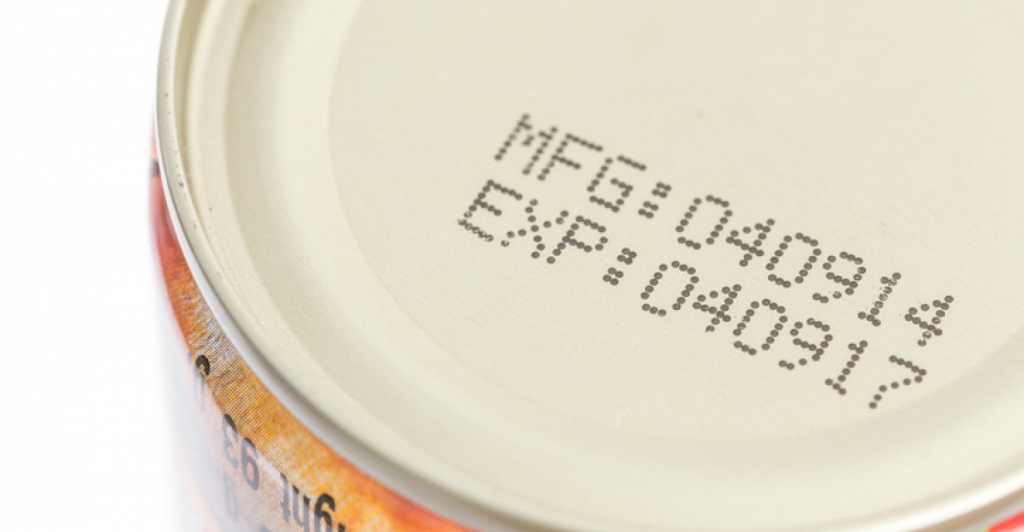
A use by date on food is about safety. This is the most important date to remember. Foods can be eaten until the use by date but not after. You will see use by dates on food that goes off quickly, such as meat products or ready-to-eat salads.
For the use by date to be a valid guide, you must carefully follow storage instructions. For example, if the instructions on the packaging tell you to refrigerate after opening, you should keep the food in a fridge at 5°C or below.
After the use by date, don’t eat it, cook it or freeze it. The food could be unsafe to eat or drink, even if it has been stored correctly and looks and smells fine.
Consume safely, throw away foods whose expiry date is or past due to avoid food poisoning.
]]>A sugar-free label on food, candy, snacks or beverages you buy may seem like a healthier option compared to those without – not necessarily. Let’s break it down for you;
Before we dive in, we want to introduce another term you might have seen on food labels-‘No Added Sugar’. Is it the same as Sugar-Free? No.
First, let us decode for you the common sugar-content terms manufacturers use on nutrition labels.
Keep in mind that naturally occurring sugars such as those in fruit and dairy are not required to appear in ingredient lists.
Different Types of Sugars
- Naturally Occurring Sugar: These sugars are found naturally in fruit (fructose) and dairy (lactose). These sugars are hard to overdo because they typically come in combination with fiber, protein, and good-for-you vitamins and minerals. Foods that pack a naturally sweet flavor such as pineapples, bananas, and sweet potatoes are nutrient-rich and part of a healthy diet.
- Added Sugar: Processed foods, baked goods, and soft drinks may contain added sugar to enhance their flavor or achieve proper or desired texture. Added sugar includes baking staples such as brown sugar, honey, maple syrup, high fructose corn syrup, granulated sugar, and many more.
- Artificial Sweeteners: Common sources of artificial sweeteners include foods often marketed as sugar-free—such as diet soft drinks, candy, light snacks and tabletop sweeteners.
Common artificial sweeteners are labeled as aspartame, saccharin, and sucralose on ingredient lists- have you seen any of these before?
- Sugar Alcohols: Also called polyols, sugar alcohols are commonly used to sweeten sugar-free foods because they are not associated with tooth decay. Common sources of sugar alcohols include chewing gum and hard candy and appear on ingredient lists as sorbitol or mannitol. Keep in mind that they may have a laxative effect on some people.
So what is the difference between Sugar-free and No added Sugar?
Sugar-Free
According to the FDA, a food is considered “sugar-free” if it contains less than 0.5 grams of sugar per serving. It’s important to note the actual number of servings in the food because there may still be a small amount of sugar, even with a sugar-free claim. What’s more, sugar-free includes naturally occurring and added sugars, but doesn’t include artificial sweeteners or sugar alcohols.
It’s important that you check the ingredient list for artificial sweeteners or sugar alcohols, both of which are used to enhance flavor in the absence of sugar. Common sources of “sugar-free” on food labels include chewing gum, pancake syrup, fruit preserves, candy, and more.
No Added Sugar
The FDA permits a food label to claim “no added sugar” if it “contains no sugars added during processing or packing, including ingredients that contain sugar such as juice or dry fruit.” In other words, as long as sugar isn’t added to the food manually, it can carry this claim. This term is not the same as sugar-free, since naturally occurring sugars, artificial sugars, and sugar alcohols may still be present. Look for this claim on foods such as granola, peanut butter, fruit juice, fruit preserves, and more.
Do you have any related questions? Leave us a comment or reach out to us on info@sweetbrandsafrica.com
]]>